Ant Trails Wipe Clean, but the Scent Map Stays
You scrub the counter, mop the floor, and two days later the ants are back in the same line along the backsplash. Cleaning removes the visible trail but not the pheromone scent map the colony laid down, so scouts simply re-mark the highway to whatever food or moisture is still reachable.
That source is often water standing water after rain in a clogged gutter or plant saucer can support mosquito breeding, and the same damp zone draws ants toward your foundation. We see this pattern from homes near Bighorn Canyon National Recreation Area to rentals by Bozeman Yellowstone International Airport. Montana Pest Pros treats the colony and the entry route, not just the line you can see.
Why Does Wiping the Counter Bring Ants Right Back?
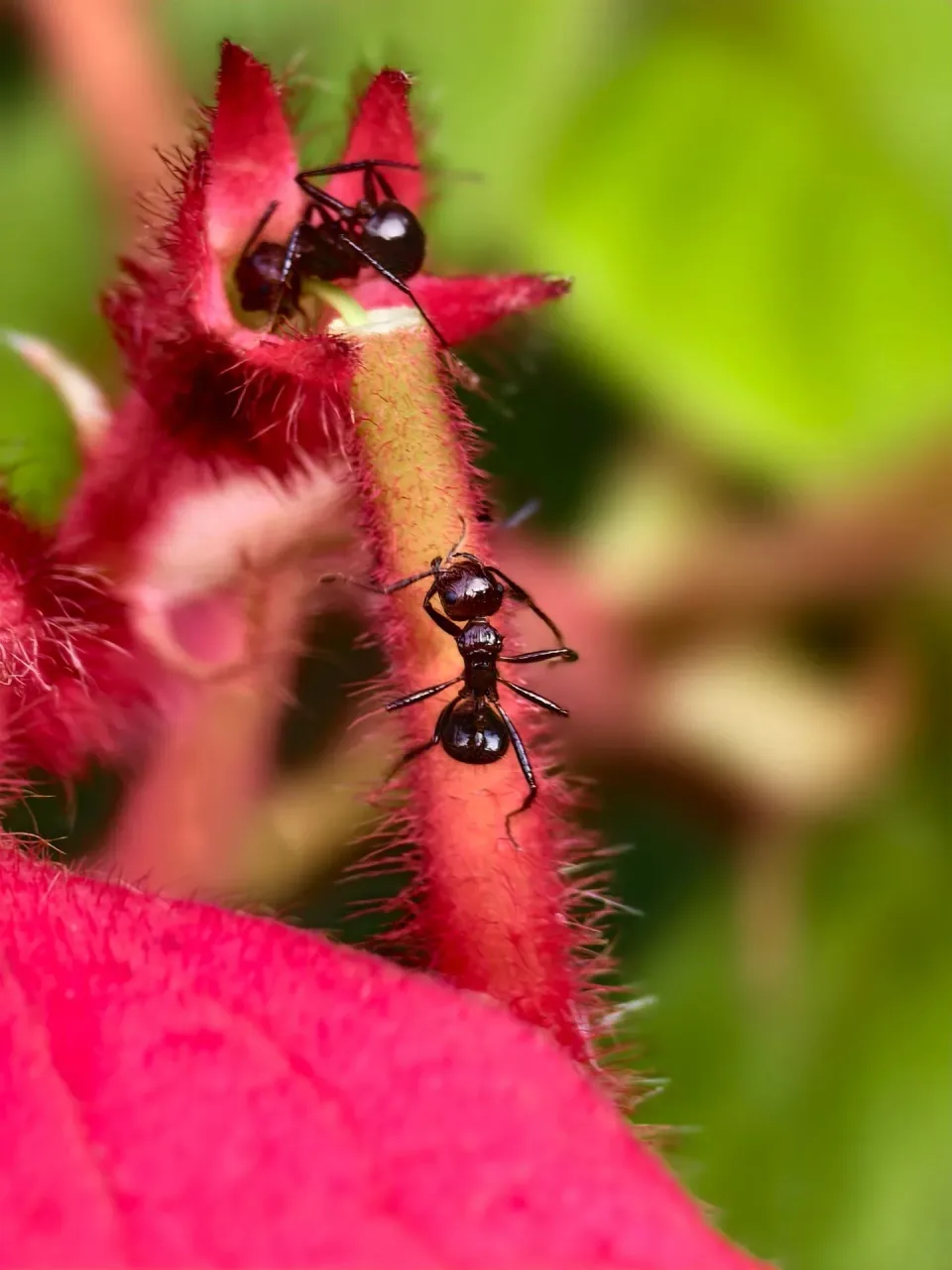
Spraying the line kills foragers, not the colony. Ants lay a pheromone trail between the nest and your kitchen, and hundreds of workers follow that scent corridor whether or not the crumbs are still there. Wipe it up or spray it, and the trail fades for a day or two then scouts re-mark the route and the line reappears in the same spot.
Store-bought repellent sprays make this worse in a way most people never hear about: they can split a colony into smaller nests, a failure mode we run into every spring. Killing the workers you can see never touches the queen producing them.
Where Ant Colonies Actually Hide Around Montana Homes
Most nests sit outside under slabs, along foundation walls, in rotting landscape timbers, or under siding where moisture collects. Eastern Montana tends to be drier and windier, which pushes ants to hunt for water indoors during dry spells, while irrigated town yards give colonies steady moisture right at the foundation edge.
We trace nests behind homes near Grant-Kohrs Ranch in Deer Lodge as often as behind student rentals around Montana State University. Follow the trail backward at dusk or dawn; workers travel between food and nest in fairly straight lines, and that direction usually points you to the entry gap.
Does the Ant Species Change the Treatment Plan?
Yes, and it changes it a lot. Carpenter ants tunnel through damp wood and often signal a leak or rotted sill; pavement and odorous house ants nest in soil and crash kitchens for sugar and grease.
Whether you call about an older brick home near the C.M. Russell Museum district or a newer build on the edge of town, we identify the species first, because carpenter ant work includes locating moisture damage while sugar-ant work centers on bait placement. Wrong identification means the wrong product and another summer of trails.
When Should You Stop Spraying and Call a Pro?
Call when trails return twice after thorough cleaning. At that point the colony is established close enough to keep sending workers, and DIY spraying usually just relocates it. Our approach starts with an inspection to find the nest and entry route, then uses tamper-resistant bait stations indoor and outdoor models placed where kids and pets cannot open them, so workers carry the active ingredient back to the queen.
That matters whether you live near Pompeys Pillar National Monument or in a westside valley neighborhood. If the trail keeps coming back, Ant Extermination targets the colony instead of the symptom, and our Pest Inspection page explains what a full-property check covers.
What Actually Breaks the Cycle for Good?
Bait, exclusion, and sanitation together. Workers carry slow-acting bait to the colony, exclusion seals the gaps they used, and sanitation removes the food incentive that keeps scouts coming back.
We also walk the exterior perimeter hose bibs, door thresholds, foundation seams because that is where trails re-enter after rain or irrigation. Most jobs combine one baiting visit with a short list of fixes you can finish in an afternoon, and we tell you plainly which ones matter most for your layout.
Which Ant Treatment Option Fits Your Kitchen Problem?
Ant treatment is not one product it is a match between where the colony lives and how the workers travel. We help homeowners weigh these options from lakeside properties near Flathead Lake to older storefronts in Downtown Butte.
Homes in Interstate 90 corridor towns and ranches off U.S. Route 2 face the same decision every summer, and properties around Gates of the Mountains often need the perimeter option first because vegetation sits close to foundations.
| Option | Best for | Key detail |
|---|---|---|
| Gel bait | Recurring indoor trails | Workers carry it back to the colony; placed in concealed spots away from kids and pets |
| Perimeter residual treatment | Seasonal waves entering from outside | Treated surface coverage along the foundation; reapplied per label directions |
| Direct nest treatment | Nests you can actually locate | Fastest result when the colony is exposed under slabs, logs, or landscape timbers |
| Sanitation and exclusion | Preventing the next invasion | Seals entry gaps and removes food sources; pairs with any option above |
When trails keep returning after cleaning, bait usually beats spray because it reaches the queen instead of the workers.
Preparing Your Kitchen for Ant Treatment Takes About a Day
A little prep helps the treatment reach the colony faster. We schedule around weather thunderstorms may bring hail and strong winds, so outdoor perimeter work sometimes shifts a day. Because freeze-thaw cycles can widen foundation cracks over winter, we inspect those gaps during the visit, and we coordinate with tenants and staff for rentals and offices, from Downtown Helena storefronts to cabins near Missouri Headwaters State Park.
-
Photograph pest evidence before service: Trail photos show entry direction and help us trace the nest side.
-
Clear stored items from treatment zones: Pull items about 12 inches from baseboards and counters where we will work.
-
Empty cabinets when directed: Targeted crack-and-crevice treatment goes deeper with drawers cleared.
-
Secure pets during application and the re-entry period: Keep food bowls and bedding out of treated rooms until the label interval passes.
-
Provide access to attic, crawlspace, and garage: Carpenter ant activity often starts in these hidden voids.
-
Schedule follow-up based on the pest life cycle: Established colonies may need a second visit to confirm the queen is gone.
-
Report sightings and trap activity between visits: A quick photo or note keeps the plan on track.
Ready to Stop the Ant Trail Cycle for Good?
Trails return because the colony survives remove the nest and the line disappears. Cold winters bring extended freezing temperatures across Montana, which pushes ants deeper into structures each fall, so acting before the first hard freeze pays off. We serve homes from cabins near Glacier National Park to properties in Downtown Billings and Downtown Kalispell, and we explain every finding in plain language.
-
Follow the trail to its source: Note where workers enter and exit, not just where they feed.
-
Fix the moisture: Leaky hose bibs and damp crawlspace air draw colonies close to the structure.
-
Book an inspection before fall: Early treatment beats a colony that has settled in for winter.
Call Montana Pest Pros at (855) 681-0299 or visit our Ant Extermination page to schedule a visit.