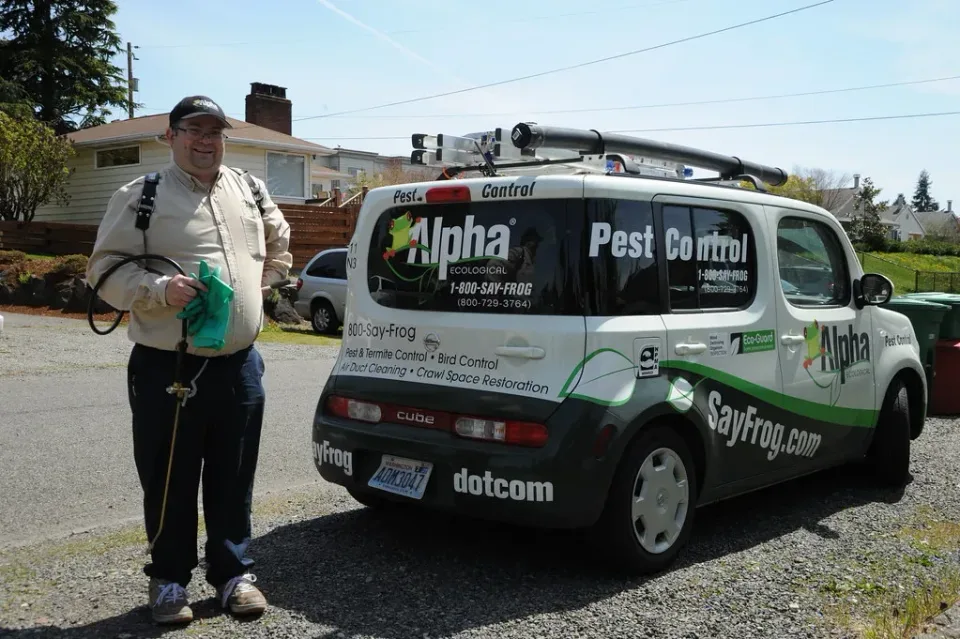
Does the Person Spraying Your Home Need a Montana License?
Yes anyone applying regulated pesticides for hire in Montana needs a commercial applicator license under the Montana Pesticide Act. That matters most when you’re staring at mouse droppings near kitchen cabinets or hearing scratching behind bedroom walls and just want it nipped in the bud.
Many callers tell us they want the problem taken out right away, especially after a wasp sting, but fast work still has to follow the label. Eastern Montana tends to be drier and windier, which changes how sprays drift and where baits belong.
At Montana Pest Pros, we hold Montana commercial applicator licensing and explain every product choice in plain language before treatment starts.
What Does the License Actually Require?
A Montana commercial applicator license is the state’s certification that a technician has passed exams on pesticide law, product labels, and safe application and it’s required for regulated pesticide work under Montana Code Annotated 80-8. FIFRA, the federal law behind it, requires that every product be used according to its EPA label.
In practice, that means we can’t just spray whatever, wherever. The label dictates the rate, the target pest, and the re-entry interval.
Licensing runs through the Montana Department of Agriculture, with rules detailed in Montana Administrative Rules 4.10. Technicians study pest identification, label comprehension, and calibration, then keep up with continuing education to renew.
We’ve sat through enough label updates to know the step people skip: reading the SDS and the label together before mixing. Skipping that is how drift complaints and misapplications happen.
Why Does Licensing Change Your Treatment Plan?
A licensed operator plans around the pest, not around a can. When fall temperatures trigger indoor pest movement, mice and cluster flies head for wall voids and insulation, so a treatment plan built in September looks different from one built in July.
Tailored treatment planning also accounts for your site we ask you to unlock gates and provide exterior treatment access so perimeter work isn’t cut short. A missed gate line is a missed entry point.
When Should You DIY Versus Call a Licensed Pro?
Yes, small jobs can be DIY a single snap trap under the sink is fine. But if rodents keep returning, if you can’t confirm the pest, or if the job needs products restricted to licensed applicators, call us.
We serve clients from Missoula Montana Airport west to the university district, and our crews at Montana State University territory in Bozeman see the same pattern: DIY sprays that scatter cockroaches deeper into wall voids. A licensed pro confirms the pest first, then treats.
How Do We Document What Was Done?
Every job ends with a written service report products used, EPA Registration Number, areas treated, and re-entry directions. We plan follow-ups around the pest’s life cycle, not the calendar.
If you’re near the Montana State Capitol or anywhere along I-90, that documentation protects you and helps us track what actually worked between visits. Check our Pest Inspection page or About Us to see how we work.
Which Treatment Approach Fits Your Pest Problem?
The right method depends on the pest, the structure, and how far the infestation has spread a licensed applicator picks from this menu after inspection. Homes along Interstate 90 and U.S. Route 2 deal with different pressure, and termite treatment options and inspection guides deserve their own conversation. Here’s how the main options compare:
| Option | Best for | Key detail |
|---|---|---|
| Mouse trapping and exclusion | Mice in kitchens or walls | Entry gaps as small as about 1/4 inch must be sealed |
| Rat monitoring and baiting | Larger rodents, outbuildings | Rat entry gaps run about 1/2 inch |
| Bed bug heat or chemical treatment | Bites after overnight stays | Interceptor-style monitors confirm activity first |
|---|---|---|
| Cockroach baiting and crack-and-crevice treatment | Roaches near kitchen drains | Gel bait reaches harborage sprays can’t |
| Seasonal mosquito barrier treatment | Yards near standing water | Yard and perimeter coverage each visit |
One practical note: exclusion work costs more up front but cuts repeat visits, which is why we quote it separately.
How to Prepare Your Home for a Licensed Treatment Visit
Preparation matters as much as the product. Cold winters bring extended freezing temperatures to Montana, and late-summer smoke can limit outdoor service work, so scheduling and access both need thought whether you’re in Downtown Billings or near Glacier National Park. Follow these steps:
-
Photograph evidence: Snap pictures of droppings, gnaw marks, or bites before service so nothing gets cleaned away.
-
Clear treatment zones: Move stored items from baseboards and cabinets when directed for targeted treatment.
-
Secure pets: Keep animals out of application areas for the full re-entry period on the label.
-
Open access points: Unlock attic, crawlspace, and garage doors Bannack State Park’s old buildings remind us how far pests travel through hidden voids.
-
Plan around weather: Book outdoor work early in smoke season; crews reschedule when air quality drops.
-
Report activity between visits: Note trap catches or sightings so follow-up timing matches the pest’s life cycle.
Skip step four and the technician treats what’s reachable, not what’s infested.
Ready to Schedule Treatment With a Licensed Montana Crew?
The takeaway is simple: a Montana commercial applicator license means your treatment follows the EPA label, includes documented re-entry timing guidance, and comes with a written service report not guesswork. Mice squeeze through gaps about 1/4 inch wide, and bed bugs can survive months without feeding, so waiting rarely helps.
Seasonal prevention plans keep pressure down before fall pushes pests indoors. Whether you’re camping near Bighorn Canyon National Recreation Area or touring the C.M.
Russell Museum in Great Falls, come home to a treated, sealed house. Call Montana Pest Pros at (855) 681-0299 or start with our Mouse Extermination page for a straightforward quote.