Why Are Rodents Gnawing Food Packaging in Montana?
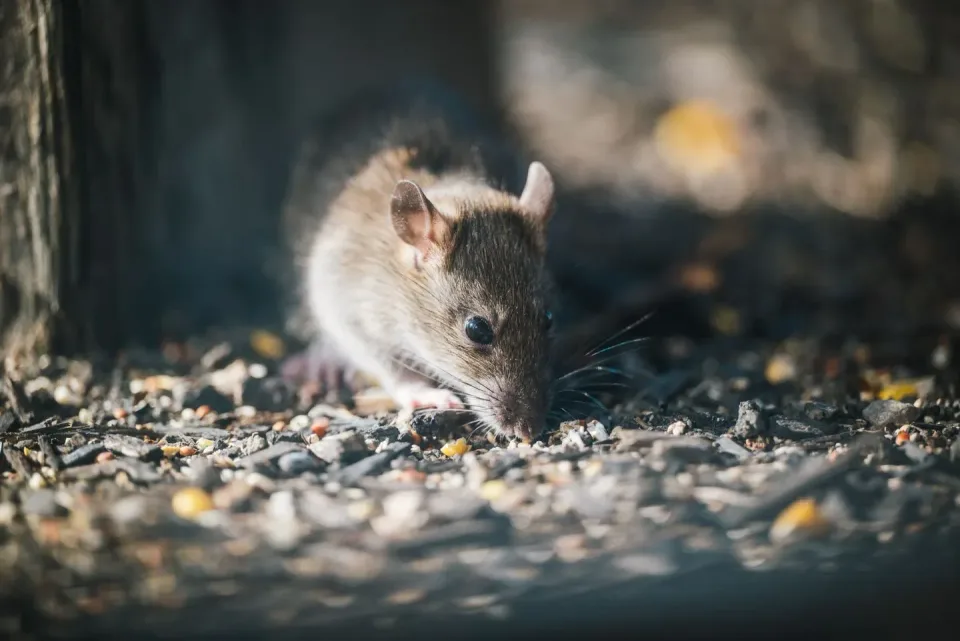
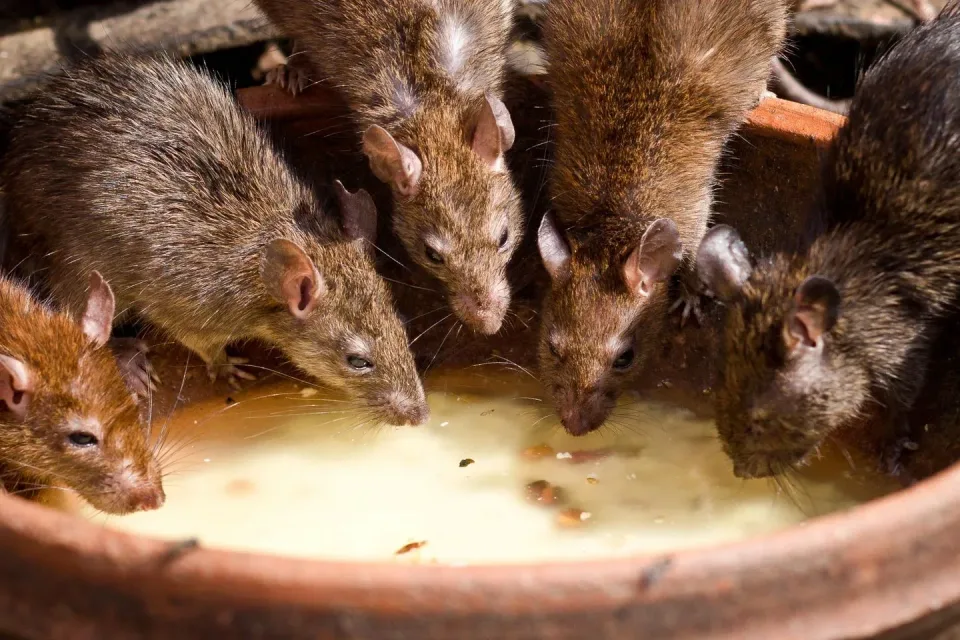
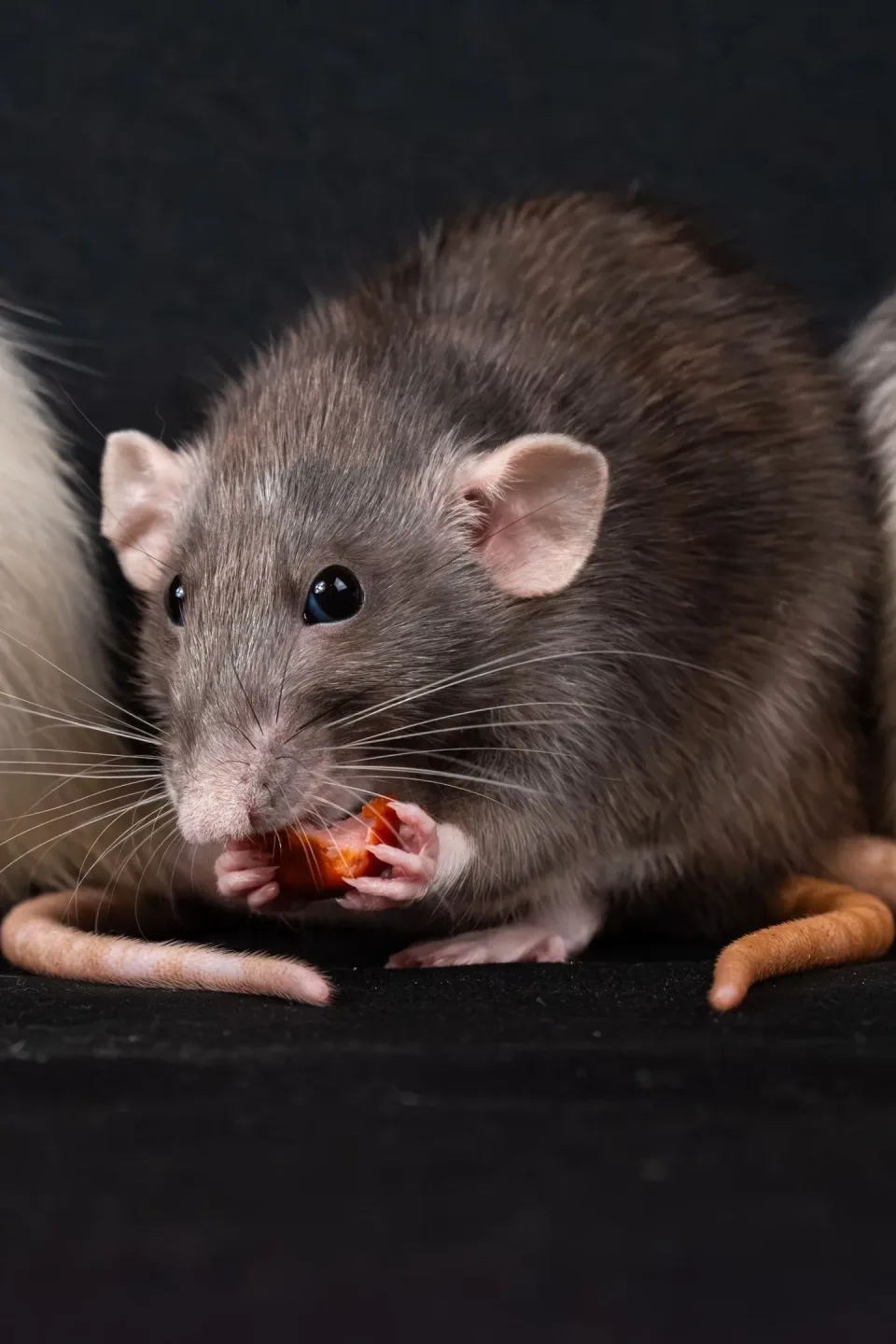
Rodents gnaw food packaging to reach food and wear down their continuously growing teeth. Torn wrappers and droppings near kitchen cabinets are reasons to check nearby storage and possible entry routes, rather than simply replacing the damaged food. Insulation gaps can offer rodents a sheltered route or nesting spot during cold weather, so inspect behind stored items and around utility lines.
In Downtown Helena, freeze-thaw cycles can widen foundation cracks; check the exterior foundation as well as the pantry. Small openings matter.
We inspect the evidence, identify likely access points, and explain practical exclusion options. Montana Pest Pros can help you decide whether the next step is monitoring, sealing, or a closer inspection.
Why do rodents chew through food packaging?
Gnaw marks on a cereal box or bag usually mean a rodent has found an accessible food source; chewing may also help wear down its front teeth. Paper, thin plastic, and cardboard are easy to damage, but a sealed-looking package is not proof that the food stayed protected.
Discard food with holes, chew marks, or possible contamination, and wipe the shelf before restocking. Keep dry goods in rigid, tightly sealed containers. That makes food harder to reach and gives you a clearer view of fresh activity.
We look for more than the torn wrapper. Droppings, rub marks, and the path between food and a likely harborage can help distinguish a continuing rodent problem from old evidence.
In homes near Bannack State Park, older outbuildings and storage areas may need a careful check alongside the kitchen. We also consider seasonal patterns: Chinook winds can rapidly warm eastern slopes, so weather shifts are a reminder to check for changes in indoor activity rather than assume rodents have left. A single cleaned shelf won’t fix an entry route.
What does exclusion change beyond trapping?
A snap trap can capture a rodent, while a bait station can support ongoing monitoring when placed and managed appropriately. Neither method closes an opening.
Rodent exclusion means inspecting likely routes and closing suitable entry points with materials that resist gnawing, while also correcting food access and shelter. The details matter: sealing a gap without checking whether rodents remain inside can leave activity in a wall or ceiling void.
Our field process starts with evidence and access, then matches the response to the site. We check around foundations, doors, utility penetrations, and storage areas, and we explain which gaps are practical to address first.
Cold winters bring extended freezing temperatures in Montana, so rodents may seek warm, sheltered spaces inside buildings; durable repairs and routine checks can reduce the chance of repeat access. For an additional sign guide, read What Scratching Behind Bedroom Walls Can Mean in Montana Homes.
When should you handle it yourself?
If you find one damaged wrapper and no fresh droppings, start with sanitation: discard affected food, store replacements in sealed containers, and inspect the shelf and nearby wall edges. You can set a properly sized snap trap in an accessible spot, following its instructions and keeping it away from children and pets. Don’t rely on glue boards as a substitute for identifying the source.
Call a professional if gnaw marks keep appearing, droppings return after cleanup, or you hear activity behind walls. Repeated signs can mean the entry point is hidden or more than one area needs attention.
Montana Pest Pros uses inspection findings to explain whether trapping, exclusion, or both fit the evidence. Our guide on finding mouse entry points after droppings appear by kitchen cabinets offers more ways to look for routes.
How do you tell if the problem is resolved?
Keep checking the same shelves and likely travel routes after cleanup. New droppings, fresh chew marks, or renewed package damage are more useful than a single quiet night; note where and when you find them. A closed opening should be checked for gaps around the repair, and food should remain in sealed containers while activity is monitored.
We discuss follow-up based on what the inspection finds, not on a one-size schedule. In western Montana, Downtown Missoula and Downtown Whitefish are useful local reference points for the varied homes and storage spaces our crew works around; the specific building and signs determine the plan. If activity persists, Rodent Exclusion explains how entry-point repairs fit into a longer-term response.
Which Rodent Control Option Fits Gnawed Packaging?
Choose based on whether you need to catch active rodents, monitor activity, or stop access; these approaches can be combined after inspection. Near Downtown Great Falls, a check of storage and utility areas can help determine where monitoring belongs.
Flathead Lake and the Garden of One Thousand Buddhas are local reference points, but the relevant choice still depends on what is found at the property. The table gives practical distinctions.
| Option | Best for | Key detail |
|---|---|---|
| Mouse snap trap | Capturing a mouse | Immediate capture; use a mouse-sized trap |
| Mouse entry-point exclusion | Blocking mouse access | Check gaps about 1/4 inch wide |
| Rat monitoring or bait station | Tracking or managing rat activity | Exterior stations can be compact, lockable housings |
| Rat entry-point exclusion | Blocking rat access | Check gaps about 1/2 inch wide |
A trap or station does not repair an entry route. An inspection helps match the method to confirmed activity.
How Should You Prepare for Rodent Exclusion?
A clear record of damaged packages and droppings helps us focus the inspection. In Downtown Bozeman, keep the same evidence notes you would anywhere in Montana; do not discard a damaged wrapper before photographing it.
Grant-Kohrs Ranch National Historic Site and Little Bighorn Battlefield National Monument are regional reference points, while the practical issue at home is safe access to the affected areas. High-elevation areas can receive heavy seasonal snowfall, so check whether snow has blocked exterior access before a visit.
-
Photograph evidence: Take clear pictures of gnawed packaging and droppings, noting where you found them.
-
Secure food: Move exposed food into sealed, rigid containers and clear loose packaging from shelves.
-
Clear access: Move stored items away from affected cabinets and provide access to the attic, crawlspace, or garage if relevant.
-
Protect people and pets: Follow the technician’s directions for application and any re-entry period.
-
Track activity: Report new sightings or trap activity so follow-up can reflect what is happening.
Keep your notes available during the inspection.
Ready to Address Rodent Gnaw Marks in Montana?
If you keep finding gnawed food packaging or droppings near kitchen cabinets, don’t stop at throwing away the damaged food. Check for fresh signs and arrange an inspection when activity continues. Snowdrifts can block vents and exterior access, so note which parts of the building are difficult to reach before service.
Subzero cold snaps can freeze plumbing and crawlspaces, making careful access and site conditions important when checking those areas. Bighorn Canyon National Recreation Area and Billings Logan International Airport are familiar Montana landmarks; at your property, the useful details are the signs, access points, and affected rooms.
Eastern Montana tends to be drier and windier, but that does not rule out indoor rodent activity. Contact Montana Pest Pros to discuss what you found and request a practical next step through Rodent Exclusion.